Home »
PRK Laser Eye Surgery
Written and edited by the Smart Laser Eye Center Editorial Staff · Medically reviewed by Dr. Alim Huseynov, MD · Last updated: 10 September 2026
This page provides comprehensive clinical information about PRK Laser Eye Surgery treatments for refractive errors.
PRK Laser Eye Surgery for Myopia, Hyperopia and Astigmatism
PRK Laser Eye Surgery, medically known as Photo Refractive Keratectomy, offers a highly time-tested vision correction method worldwide. Specifically, our skilled eye surgeons gently soften the epithelial layer on top of your cornea using a balanced medical solution. Subsequently, they completely remove this delicate layer to safely reshape your underlying corneal tissue using an advanced Excimer Laser. Therefore, this surgical process successfully eliminates your refractive errors without creating any standard corneal flap. Ultimately, this historical yet highly modernized surface ablation technique remains a premier, proven choice for achieving complete visual freedom.
The Power of RLES AI® Planning
Fortunately, our clinics run every treatment plan through an independent safety check with the RLES AI® system. Specifically, the software compares the values from your topography, tomography and biometry against a published rule set — tissue thresholds, curvature limits and ectasia indices — item by item. Consequently, RLES AI® reports what a given plan would leave behind: residual stromal bed, residual corneal thickness and the percentage of tissue altered. Additionally, it also calculates the maximum correction your cornea can carry before its curvature leaves the safe optical range — a limit that tissue thickness alone does not reveal.
Therefore, the point of this step is to surface a crossed threshold — or a missing measurement — while the plan can still be changed; RLES AI® does not make that judgement for the surgeon. Furthermore, one example: the optical zone is checked against your scotopic pupil size, because a zone narrower than the pupil is the known mechanism behind night glare. Subsequently, no software output replaces the examination — your surgeon reviews every value and signs the plan. Ultimately, RLES AI® is clinical decision support software: it does not perform surgery, does not approve a patient and does not promise a visual result.
What Should You Expect During the PRK Recovery Process?
Historically, PRK Laser Eye Surgery bridges the technical gap between traditional LASEK and modern NoTouch-TransEpithelial PRK treatments. Generally, patients may experience moderate pain, watering, and a mild stinging sensation during the first two to three days. Consequently, your operating surgeon will temporarily place a soft protective contact lens over your treated cornea to ensure comfort. Fortunately, our medical team will safely remove this therapeutic lens after four to five days depending on your healing status. Ultimately, your vision will improve steadily each day as the delicate surface layer naturally regenerates itself.
Indeed, achieving complete clarity of vision after this surface treatment may naturally require up to one full week. Although your vision becomes significantly sharper after the third month, you can comfortably continue your normal daily life. Therefore, while this surface method requires a slightly longer recovery window, it delivers exceptional long-term structural safety. Specifically, it provides a reliable excimer laser alternative for patients with thin corneas, sensitive profiles, or high prescriptions. Consequently, this legendary technique allows individuals who cannot medically undergo standard LASIK to safely throw away their glasses.
Who is PRK Laser Eye Surgery Suitable For?
Our specialized surgeons utilize PRK Laser Eye Surgery to correct a wide range of common visual defects effectively. Specifically, this advanced procedure successfully treats myopia, hypermetropia, astigmatism, presbyopia, and certain stable keratoconus conditions. In fact, uncorrected visual defects drastically complicate your daily routines and reduce your overall lifestyle comfort quite considerably. Moreover, depending constantly on prescription glasses or contact lenses often creates highly undesirable restrictions during sports and outdoor activities. Fortunately, choosing this specialized surface laser treatment permanently eliminates your daily dependence on external optical aids.
Generally, healthy patients between the ages of 18 and 60 with stable prescriptions can easily qualify for this procedure. Therefore, PRK Laser Eye Surgery remains an ideal solution for active individuals who want to maximize their daily visual quality. Additionally, our comprehensive eye centers proudly offer detailed pre-operative examinations completely free of charge to check your suitability. Consequently, you can contact our clinical experts 24/7 to analyze your unique corneal structure very quickly. Ultimately, our dedicated patient coordinators will answer all your medical questions and guide you seamlessly through the entire treatment process.
Useful links:
About our eye surgeons. Presbyopia LASIK Laser Eye Surgery. NoTouch T-PRK Laser Eye Surgery. LASIK Laser Eye Surgery. Sensitive Profile Patient Program. LASIK Definition. FAQ. Cataract and Lens Replacement Eye Surgeries. Keratoconus Cross-Linking Surgery. Blepharoplasty Aesthetic Surgeries. Dry Eye Syndrome Treatments. Periodic Eye Examinations.
Surgery Information
On the day of your operation, our expert clinical staff will warmly welcome you to our modern facility. Initially, our specialized nurses will explain every detail of your upcoming surgical experience to ensure complete comfort. Subsequently, your operating surgeon will personally answer all your medical questions during the final pre-operative consultation. Therefore, you can comfortably start your vision correction journey with absolute peace of mind and clarity. Ultimately, every step is coordinated by the same team, so that nothing is left to chance between the examination and the operation.
Pre-Surgery Examination
Our medical team efficiently completes all the essential pre-operative tests and clinical examinations required for your surgery. Initially, our advanced diagnostic devices actively create a highly precise 3D structural map of your unique eye profile. Subsequently, your operating surgeon carefully designs your personalized treatment plan based on these comprehensive diagnostic results. Therefore, you can visualize your exact clinical outcomes before the actual laser application even begins. Ultimately, our specialized doctor clearly demonstrates your expected post-operative vision to ensure absolute confidence.
Surgery Preparation
Just before starting the operation, our medical team applies specialized numbing drops directly into your eye. Initially, your specialized surgeon thoroughly sterilizes the entire skin area around your delicate eyelids. Subsequently, they carefully place a gentle apparatus to prevent you from blinking during the laser treatment. Therefore, you will never feel any physical pain throughout the quick vision correction process. Fortunately, you might only experience a mild touching sensation while our advanced laser seamlessly restores your sight.
Eye Preparation
Before applying the laser technology, your surgeon safely softens the delicate epithelial layer on your cornea. Specifically, they achieve this smooth surface preparation by carefully using a balanced mixture of BSS serum and alcohol. Subsequently, your specialized doctor completely removes this softened cell layer to reveal your underlying corneal tissue. Therefore, your ocular profile is prepared and cross-checked before the customized laser ablation begins. Ultimately, this surgical technique is chosen to protect the structural strength of your cornea while your vision is corrected.
Laser Shooting
With the simple push of a button, your doctor safely directs our advanced robotic laser toward your eye. Initially, the computerized system actively tracks your pupil and instantly locks onto your unique eye profile. Subsequently, the laser platform approaches your cornea until it reaches the exact customized treatment distance. Afterwards, your operating surgeon starts the automated ablation process to complete your treatment seamlessly. Ultimately, the robotic device automatically leaves your eye surface and returns to its original home position.
End of the Surgery
Immediately after the laser application, your specialized doctor thoroughly washes your eye with a cold sterile solution. Subsequently, they carefully place clear, soft contact lenses over your cornea to protect the delicate surface layer. Fortunately, these therapeutic lenses significantly minimize post-operative discomfort and accelerate your natural cell regeneration process. Therefore, our medical team applies essential eye drops to complete your surgical treatment successfully. Ultimately, you can comfortably step up from the operating table to begin your quick vision recovery.
First 2-3 Days
During the first three days post-surgery, patients usually experience a moderate stinging or burning sensation. Fortunately, your vision starts to improve significantly after this brief initial recovery window. Consequently, you must absolutely avoid touching your eyes to protect the healing corneal tissue. Additionally, you need to use your prescribed medical eye drops exactly as directed by our team. Ultimately, your doctor will examine you on the third day to safely remove your protective soft contact lens.
First 30 Days
Our specialized medical team will thoroughly explain all post-operative care instructions immediately after your successful surgery. Specifically, our clinical coordinators provide clear, detailed guidelines regarding your daily routine and recovery milestones. Consequently, you will learn exactly how to use your prescribed eye drops and avoid rubbing your eyes. Additionally, we share precise medical advice about when you can safely start sports or take a shower. Ultimately, following these instructions carefully is an important part of a safe recovery and of your long-term result.
After 1st Month
Our specialized medical team will thoroughly explain all post-operative care instructions immediately after your successful surgery. Specifically, our clinical coordinators provide clear, detailed guidelines regarding your daily routine and recovery milestones. Consequently, you will learn exactly how to use your prescribed eye drops and avoid rubbing your eyes. Additionally, we share precise medical advice about when you can safely start sports or take a shower. Ultimately, following these instructions carefully is an important part of a safe recovery and of your long-term result.
Frequently Ask Questions About PRK Laser Eye Surgery
At What Age Can I Have PRK Laser Eye Surgery?
Q: At What Age Can I Have PRK Laser Eye Surgery?
Generally, our specialized surgeons can safely perform PRK Laser Eye Surgery on healthy patients aged 18 and older. Fortunately, this modern procedure successfully restores your vision if you possess a structurally suitable and stable corneal profile. Consequently, young adults who want to eliminate their prescription glasses can easily qualify after a comprehensive screening. Ultimately, our clinical team provides these detailed pre-operative eye examinations completely free of charge to verify your eligibility.
Should I Choose PRK or No-Touch TransEpithelial-PRK Laser Eye Surgery?
Q: Should I Choose PRK or No-Touch TransEpithelial-PRK Laser Eye Surgery?
If your unique corneal thickness is not suitable for standard LASIK, PRK Laser Eye Surgery offers an excellent alternative solution. Generally, patients experience a moderate stinging and burning sensation during the first two to three post-operative days. Fortunately, your clear vision begins to improve steadily within one week after this brief recovery period. Subsequently, your eyes may require up to three months to achieve their ultimate, razor-sharp visual clarity.
Medically, our specialized eye surgeons specifically prefer this safe surface ablation technique for complex ocular profiles. Specifically, this method suits patients whose corneas fall significantly below standard legal limits or thickness requirements. Additionally, individuals with a medical history of glaucoma or previous retinal detachment surgery can safely choose this option. Ultimately, your operating doctor will carefully evaluate your specific health conditions to design the safest treatment path.
When Can I Return to My Normal Life After PRK Laser Eye Surgery?
Q: When Can I Return to My Normal Life After PRK Laser Eye Surgery?
A: Generally, patients experience moderate stinging and burning sensations during the first two to three post-operative days. Fortunately, your vision improves significantly within one week after this initial recovery window. Subsequently, your eyes may require up to three months to achieve their ultimate, razor-sharp visual clarity. Therefore, our eye surgeons specifically recommend PRK Laser Eye Surgery for complex ocular conditions. Specifically, this method suits candidates with thin corneas, controlled glaucoma, or a history of retinal detachment surgery.
Consequently, you must take a brief absence from your work and avoid driving during this timeframe. Additionally, patients cannot wash their faces or apply water near the eyes for up to one week. Furthermore, you must strictly avoid cosmetic make-up applications for at least two full weeks post-surgery. Similarly, our medical team prohibits entering swimming pools or participating in sweaty sports activities during this period. Ultimately, following these post-operative rules is the part of the outcome that is in your hands; skipping them is a known cause of avoidable complications.
What Is the Success Rate of PRK Laser Eye Surgery?
Q: What Is the Success Rate of PRK Laser Eye Surgery?
A: Generally, modern vision correction treatments provide highly effective and permanent clinical results for patients worldwide. Specifically, advanced PRK Laser Eye Surgery maintains exceptionally high success rates among elective medical procedures. Based on our own clinic records, 98.8% of the treatments we performed in our facility were successful. This is our clinic’s own outcome average — not a figure taken from published literature — and it cannot predict the result of an individual treatment; your own expected outcome is discussed with you before surgery. Ultimately, this laser technology is used to reduce your dependence on glasses and contact lenses; how much correction your eye can carry is decided before surgery.
Are Both Eyes Treated at the Same Time?
Q: Are Both Eyes Treated at the Same Time?
A: Generally, our specialized eye surgeons perform all advanced vision correction procedures on a single eye at a time. Subsequently, they immediately proceed to treat your other eye during the exact same surgical appointment. Fortunately, this clinical approach aims for a balanced and comfortable recovery; individual experience varies. Therefore, you can seamlessly complete your entire laser vision correction treatment within a single day. Ultimately, our comprehensive medical team safely restores your visual clarity while maximizing your overall lifestyle convenience.
Can I Have PRK Laser Eye Surgery While I’m Breastfeeding or Pregnant?
Q: Can I Have PRK Laser Eye Surgery While I’m Breastfeeding or Pregnant?
A: Generally, pregnant or breastfeeding mothers must postpone their vision correction treatments due to temporary maternal factors. Specifically, natural hormonal fluctuations during these unique stages can significantly affect your precise eyesight and corneal shape. Consequently, these shifting hormone levels might cause inaccurate pre-operative eye measurements and unpredictable surgery outcomes. Fortunately, you can safely consider PRK Laser Eye Surgery three months after completely stopping your breastfeeding journey.
Alternatively, if you do not breastfeed, you should wait exactly three months after giving birth. Subsequently, your hormones will return to their baseline levels to ensure perfectly stable diagnostic test results. Moreover, our specialized medical team provides these highly detailed, multi-dimensional pre-operative assessments completely free of charge. Ultimately, waiting for this window matters because refraction can shift during pregnancy and breastfeeding, and a plan built on shifting numbers will not hold.
Can Keratoconus Patients Have PRK Laser Eye Surgery?
Q: Can Keratoconus Patients Have PRK Laser Eye Surgery?
A: Generally, keratoconus represents a progressive degenerative disease that gradually thins your cornea and distorts its natural shape. Consequently, this specific structural weakness causes severe visual impairment and significant vision loss over time. Fortunately, our specialized eye surgeons can successfully halt this disturbing disease by performing advanced Corneal Cross-Linking surgery. Subsequently, most patients must wear custom prescription glasses or rigid gas permeable contact lenses to maintain clear vision.
However, candidates older than 35 years with stable corneas can qualify for advanced combination treatments. Specifically, our medical team applies a specialized laser treatment together with Cross-Linking to eliminate your prescription glasses. Additionally, we offer Intraocular Phakic ICL lens implantations as an excellent alternative solution for advanced keratoconus cases. Therefore, this innovative lens procedure perfectly suits patients who possess extremely thin corneas or very high prescriptions. Ultimately, our clinic provides a comprehensive eye screening completely free of charge to plan your custom treatment.
What Are the Most Common Risks and Temporary Side Effects?
Q: What Are the Most Common Risks and Temporary Side Effects?
PRK Laser Eye Surgery Risks and Complications
Generally, advanced laser eye surgery involves a few potential complications, although these issues remain extremely rare. Therefore, you must choose an expert eye surgeon who regularly manages complex ocular conditions. Specifically, patients might encounter eye infections if they do not use their prescribed medications properly. Additionally, rare structural risks include epithelial ingrowth, flap slippage from accidental rubbing, or corneal haze. Fortunately, our specialized medical team can easily resolve these minor problems through timely medical interventions.
Do I Need to Have Surgery Again?
Clearly, a small possibility of re-operation exists, especially for patients with very high initial prescriptions. Consequently, we provide a specialized Sensitive Profile Patient Program to protect our high prescription candidates. Ultimately, this protocol is prepared for your own eye and aims at long-term stability, which is reviewed at your follow-up visits.
Is Laser Eye Surgery 100% Guaranteed for Life?
Basically, laser vision correction functions as a highly precise reshaping procedure rather than a medical miracle. Therefore, no doctor can realistically guarantee that your eyes will never change in the future. Fortunately, the visual acuity of a healthy individual usually remains perfectly stable under normal conditions. However, your eyes age naturally alongside your other bodily organs over your lifetime. Consequently, chronic diseases like diabetes, hypertension, or kidney conditions can negatively affect your long-term eyesight. Ultimately, we strongly recommend regular eye doctor visits because no refractive treatment offers a absolute lifetime guarantee.
What Should You Expect After Laser Eye Surgery?
Initially, you might notice temporary flashes of light or halos during your night vision. Additionally, normal daylight can feel exceptionally bright during the first few post-operative weeks. Furthermore, many patients experience temporary dry eye syndrome during their early corneal healing phase. Fortunately, you can easily prevent these minor symptoms by strictly following your surgeon’s specific instructions. Specifically, our doctors provide customized recovery advice for older presbyopia patients to maximize their long-term satisfaction.
What Are the Key Complications of No-Touch (T-PRK) or PRK?
Generally, this specific surface technique removes the top epithelial layer of your cornea using laser beams. Consequently, patients usually experience three to four days of moderate pain and physical discomfort. Subsequently, your functional vision restores within one week, though full clarity requires one to two months. Unfortunately, this method applies more laser heat to the corneal tissue than standard LASIK. Therefore, our surgeons apply specialized medications during the procedure to minimize the risk of corneal haze. Ultimately, we avoid the No-Touch method for hyperopia patients due to these specific thermal risk factors.
How Can This Risk Be Minimized?
Fortunately, our modern Smart Laser Eye Centers utilize the latest Excimer Laser Technology. Specifically, we deploy the advanced Dynamic Spot Technique to eliminate the risk of thermal impact. Consequently, this innovative cooling approach successfully prevents the development of corneal haze during your treatment.
Can Laser Eye Surgery Cause a Permanent Problem?
Axiomatically, modern laser eye surgery does not cause permanent damage to your delicate ocular structure. Fortunately, automated tracking and centration reduce the room for human error, but they do not remove the surgeon from the decision. Additionally, Smart Laser Eye Centers continuously record and store all surgical data in a secure cloud system. Ultimately, this quality-assurance protocol is how deviations are caught early and fed back into training.
The Important Factors Related to Laser Eye Surgery.
Key Success Factors in Excimer Laser Eye Surgeries
Laser eye surgery stands out as a highly effective, minimally invasive treatment for refractive errors. Fortunately, the overall statistical percentage of surgical risks remains exceptionally low. Nevertheless, as with any advanced medical procedure, certain rare complications can occasionally occur. Therefore, patients must understand their responsibilities to actively minimize these risks before scheduling treatment.
To achieve optimal outcomes, specifically, you should evaluate four essential pillars:
The Patient Factor
The Physician Factor
The Technology Factor
The Hospital Factor
1. The Patient Factor: Proper Candidate Selection
Accurate candidate selection represents the single most important risk factor for eye surgeons. Indeed, this critical evaluation applies universally to all forms of ophthalmic surgery. Consequently, your age, medical history, and corneal thickness dictate your procedural eligibility. Furthermore, your unique eye structure and overall health condition remain vital measurements during our screening process.
Who is Not Suitable for Laser Eye Surgery?
Specific unde
rlying health issues can actively prevent you from qualifying for this laser procedure. Specifically, patients with the following conditions are generally not eligible:
Active ocular infections or a medical history of eye herpes.
Inadequate corneal thickness falling below standard safety limits.
Advanced cataracts or permanent, degenerative retinal diseases.
Severe uncontrolled diabetes or complex rheumatic syndromes.
⚠️ Important Note: Pregnant and breastfeeding mothers must postpone their treatment. Instead, they need to wait until their hormonal cycles stabilize completely. Additionally, severe dry eye syndromes require comprehensive clinical treatment before surgery can proceed safely.
Laser Eye Surgery and Amblyopia (Lazy Eye)
Alternative specialized treatments exist for individuals suffering from amblyopia. Fortunately, modern laser surgery can still improve your visual capability slightly compared to standard prescription glasses. Basically, this procedure offers an excellent solution for lazy eye patients who cannot comfortably wear contacts or eyewear. Ultimately, early diagnosis remains crucial since this childhood condition prevents the eyes from focusing properly.
Why You Must Avoid Cheap Laser Eye Surgery
You might thin
k that finding an inexpensive clinic saves you money. However, selecting budget surgery means you intentionally renounce advanced technology and physician quality. Furthermore, you compromise on essential medical care and strict sterile conditions. Consequently, you take unnecessary risks with your irreplaceable vision.
What to Consider for Your Final Decision
We strongly recommend that our patients select only the newest excimer laser technology. Indeed, your chosen clinic must utilize advanced high-tech scanning and screening equipment. Similarly, you should prioritize fully sterile hospital environments and highly experienced clinical teams. Ultimately, we remind all our patients that they only have two eyes; therefore, it remains your most sensitive sense organ.
2. The Physician Factor: Surgeon Expertise
Our elite eye surgeons have graduated from the most prestigious medical schools worldwide. Specifically, our team includes distinguished alumni from Harvard, Vienna, Cerrahpasa, and Hacettepe medical schools. Consequently, they have successfully completed nearly 100,000 successful procedures over 15 to 35 years of clinical experience. At Smart Laser Eye Center, moreover, our entire medical board evaluates your eye condition together.
How to Choose Your Eye Surgeon Safely
Patients should evaluate several critical benchmarks when selecting their specialist. Specifically, you must consider the doctor’s specific surgical experience, academic career, and complication management track record. Additionally, a premier surgeon always chooses to collaborate with an outstanding medical support team. Therefore, we highly recommend choosing multi-disciplinary hospitals that combine specialist physicians with new technologies.
3. The Technology Factor: Robotic Integration
Performing vision correction inside a high-tech facility significantly reduces your overall health risks. In fact, the personalized success of your procedure depends heavily on advanced clinical technology. Every elite surgeon naturally demands the latest equipment to maintain maximum surgical safety. Consequently, they rely on these automated systems during every single operation, regardless of their personal experience level.
       [ CLINICAL TECHNOLOGY COMPARISON ]
┌───────────────────────────────┬───────────────────────────────┐
│     HIGH-TECH INFRASTRUCTURE  │     BUDGET / OUTDATED CLINIC  │
├───────────────────────────────┼───────────────────────────────┤
│ • 5th Generation Robotics     │ • Manual or legacy systems    │
│ • RLES AI® Scanning Software  │ • No advanced AI diagnostics  │
│ • Dynamic Spot Technology     │ • High risk of thermal haze   │
│ • Personalized treatment maps │ • Standard one-size-fits-all  │
└───────────────────────────────┴───────────────────────────────┘
Hospitals that invest heavily in premium medical equipment cannot offer dangerously cheap surgeries. Instead, these premier facilities dedicate massive financial resources to protect their patients’ safety. Ultimately, ophthalmic treatment innovations require significantly higher capital investments compared to most other medical fields.
4. The Hospital Factor: Strict Sterilization
Full-fledged, multi-disciplinary hospitals must strictly enforce international sterilization protocols. Indeed, these rigid safety guidelines protect every single patient entering the facility. Therefore, patients deliberately choose these premium centers because they offer a superior sense of security. Fortunately, Smart Laser Eye Center operates exclusively within fully accredited, multi-disciplinary hospital buildings. Consequently, sterilisation is documented for every instrument set and every operating session.
How much does PRK Laser eye surgery cost?
PRK Laser Eye Surgery Pricing and Package Details
Our advanced robotic procedures treat your specific refractive errors with maximum clinical effectiveness. Typically, surgeons perform laser vision correction on both eyes during a single session. Alternatively, some patients may only require correction for one specific eye. Therefore, our clinical coordinators can provide personalized pricing packages tailored for single-eye surgeries upon request.
Our All-Inclusive Cost Transparency
At Smart Laser Eye Center, we offer our advanced procedures through a clear, upfront pricing model. Specifically, we present our total costs as an all-inclusive package with absolutely no hidden fees. Consequently, your premium laser eye surgery framework seamlessly covers the following essential medical services:
Eligibility Checks: Our team conducts comprehensive initial laser eligibility screenings completely free of charge.
Surgery Examination: Subsequently, our expert ophthalmologists perform a high-tech, detailed pre-operative diagnostic examination.
Post-Op Medications: Additionally, you receive the two specialized medicated eye drops required for your first month of recovery.
Safety Equipment: Finally, our clinical staff provides premium protective glasses to shield your eyes during the healing phase.
Click here for all pricing details details.
This page is general information only and is not a diagnosis or a treatment recommendation; suitability is determined by an eye examination.
Your Expert Eye Surgeons
Education Information:
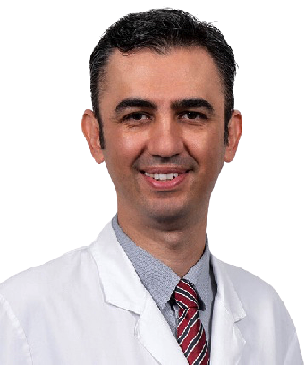
He graduated from Ankara University Faculty of Medicine in 2000 with the 4th rank. He completed his ophthalmology residency at Hacettepe University Faculty of Medicine . Between 2009 and 2011, he completed his master's degree in cornea, ocular surface and refractive surgery at Harvard Medical School in Boston, US. He qualified the title of associate professor in 2012 and Professor title in 2017 . He has performed over 15,000 surgeries in over twenty years.Academic achievements:
He has received numerous national and international awards (ARVO-Asia Travel Fellowship Grant Award, Gazi Eye Foundation 'Best Scientific Paper Award', ARVO Collaborative Research Fellowship Award, ICO Helmerich Fellowship Award, ICO WOC Fellowship Award, Royal College of) Ophthalmologists Best Reviewer Award, Turkish Academy of Sciences Outstanding Young Scientist Award). Koç University established its own research group with the support of KUTTAM, TÜBİTAK, TÜBA and ARVO.Awards, Memberships, Certificates:
- Ankara University Medical School, 4th rank in graduation (2000)
- International Council of Ophthalmology (ICO) “Basic Science Assessment in Ophthalmology including Optics and Refraction” Certificate (2004)
- International Council of Ophthalmology (ICO) “Clinical Science Assessment in Ophthalmology” Certificate (2005)
- Association for Research and Vision in Ophthalmology (ARVO)-Asia 'Travel Fellowship Grant Award' (2007)
- Gazi Eye Association Scientific Award (2008)
- TÜBİTAK ULAKBİM UBYT Awards
- Association for Research and Vision in Ophthalmology (ARVO) 'Collaborative Research Fellowship Award' (2009)
- TOD Glaucoma Symposium Best Oral Presentation Award (2009)
- TÜBİTAK 2219-Postdoctoral Research Fellow Award (2009)
- International Council of Ophthalmology (ICO) 'Helmerich International Fellowship Award' (2010)
- The Turkish Academy of Sciences (TÜBA) 'Outstanding Young Scientist Award' (2012)
- Association for Research and Vision in Ophthalmology (ARVO) 'Developing Country Eye Researcher Fellowship Award' (2015)
- Turkish Ophthalmology Society Scientific Award (2015)
- International Council of Ophthalmology (ICO) WOC2106 Travel Fellowship Grant Award (2016)
- Turkish Medical Association, Most Successful medical doctor of the year (2016)
- Turkish Ophthalmology Association
- Association for Research in Vision and Ophthalmology (ARVO)
- European Association for Vision and Eye Research (EVER)
- American Academy of Ophthalmology (AAO)
- American Society of Cataract and Refractive Surgery (ASCRS)
- European Society of Cataract and Refractive Surgeons (ESCRS)
Specialized Treatments and Surgeries:
- Corneal Transplant
- Complicated Cataract surgery
- Retinitis Pigmentosa Wharton jelly stem cell treatment
- Refractive Laser Eye Surgeries
- Keratoconus Cross-Linking
- Ring therapy
- Hard-hybrid innovative contact lenses
- Dry eye (Autologous serum, IPL, LipiFlow treatment)
- Glaucoma (eye pressure)
Foreign language:
- English
- Turkish
Harvard MEDICAL School
22 Years of EXPERIENCE
>15.000 Surgery
Education Information
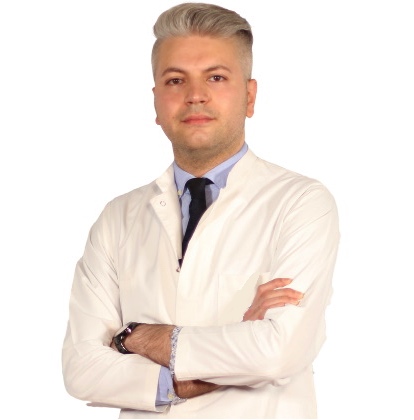
He completed primary, secondary and high school in Baku. He graduated from Azerbaijan Medical Faculty in 2010. He completed his ophthalmology residency in Baku National Ophthalmology Center Azerbaijan . He was entitled to receive the Presidential Scholarship of the Republic of Azerbaijan in 2014, and completed the equivalence of specialization in Turkey in the Department of Ophthalmology, Faculty of Medicine, Selcuk University in 2014-2018, and worked as a research assistant and ophthalmologist at the university until 2018. He worked as an Ophthalmologist at Private LIV Hospital Nation between 2019-2022.Work experience:
- Selcuk University Faculty of Medicine
- Private LIV Hospital Ulus
Certificates, Memberships, Scientific Research:
- Peroperative developing choroidal detachment and its management.
- Surgical Approach in Posterior Polar Cataract.
- Iatrogenic retinal artery occlusion caused by cosmetic facial autologous fat filler injections.
- Effect of Smoking on Ocular Surface and Corneal Nerves.
- Lupus choroidopathy in a patient with discoid lupus erythematosus.
- Endophthalmitis and its treatment with early parsplanavitrectomy.
- Turkish Ophthalmology Association.
Specialized Treatments and Surgeries:
- Retractive Laser Eye Surgery: iLASIK (Femto Lasik), LASIK, LASEK, Trans Epithelial PRK (NO TOUCH) and SMILE
- Cataract Surgery (Smart Lens Surgery)
- Keratoconus Treatments – Cross-Linking Surgeries
- Pterygium Surgery
- Dry Eye Disease and Treatments
- Strabismus Surgery
- Glaucoma- Glaucoma Eye Pressure Treatments
- neuro ophthalmology
- Retinal Diseases Treatments
- Oculoplasty
- Uveitis Diseases
- Ectropion and entropion surgery – Eyelid deformity treatments
- Enucleation and Evisceration Prosthetic Eye Surgery
Foreign language:
- English
- German
- Russian
- Azerbaijani
- Turkish
MEDICAL UNIVERSITY of Selcuk
12 Years of EXPERIENCE
>8.000 Surgery
Patients Reviews
Investing in Your Vision: Why Quality and Transparency Matter
You might compromise on quality when purchasing a cheap television. However, your eyesight is an irreplaceable asset simply not worth the gamble. Specifically, choosing budget laser eye surgery often means sacrificing ultra-precise 5th generation robotic technology and physician expertise. Consequently, this sacrifice significantly increases your clinical risks due to substandard medical care and flawed sterile conditions.
Selecting the Right Clinical Infrastructure
When opting for vision correction, your highest priority should be selecting a multi-disciplinary hospital. Therefore, you should look for a clinic equipped with advanced Robotic Excimer Laser systems and experienced surgeons. Ultimately, we remind all our patients that they only have two eyes; indeed, it remains your most sensitive and critical sense organ.
Our Commitment to Cost Transparency
At Smart Laser Eye Center, we never compromise on safety or cutting-edge technology. Instead, we offer our advanced procedures through an understandable, fair, and highly structured pricing model. Furthermore, this framework includes absolutely no hidden costs. Consequently, this approach makes premium laser eye surgery truly transparent and accessible.
The Freedom of Life Without Glasses or Contact Lenses
Consider the lifetime accumulated expenses of purchasing contact lenses, prescription glasses, and care solutions. In addition, think about the constant frustration of losing or breaking your eyewear. Beyond this heavy financial burden, nevertheless, you must also consider the restrictive impact corrective eyewear has on your daily lifestyle and comfort.
Unlocking an Active Lifestyle
Imagine the absolute freedom of diving to the bottom of the sea or skiing down a mountain. Similarly, you can enjoy jogging, cycling, and exercising freely without the hassle of foggy lenses or dry eyes. Fortunately, advanced laser vision correction safely unlocks this active, barrier-free lifestyle for you.
A Smart Long-Term Investment
By eliminating the ongoing expenses of glasses, modern laser surgery easily pays for itself. In fact, it acts as a smart, long-term investment in your future. Our proprietary RLES AI® decision-support software is used to cross-check each treatment plan before surgery; the treatment decision itself rests with your surgeon, and our medical team plans every treatment individually.