Home »
Sensitive Profile Patient Program
Sensitive Profile Patient Program

What Is the Sensitive Profile Patient Program?
Generally, our specialized eye clinic designs the Sensitive Profile Patient Program for unique vision correction cases. Specifically, we evaluate non-standard patients who use exceptionally high prescription contact lenses or glasses under this program. Additionally, this custom clinical pathway accommodates individuals over 40 years old who suffer from reading vision problems. Fortunately, our medical team effectively treats patients with complex keratoconus, presbyopia, myopia, hyperopia, and astigmatism conditions here. Ultimately, this comprehensive approach ensures maximum procedural safety and excellent visual outcomes for complicated optical structures.
High Prescription Specifications
Clearly, our advanced medical team defines high prescription criteria using precise objective refractive measurements. Specifically, these custom treatment parameters include the following clinical eye conditions:
Myopia (Nearsightedness): Patients with a prescription of -6.00 diopters and higher.
Hyperopia (Farsightedness): Individuals possessing a prescription of +4.00 diopters or higher.
Astigmatism: Candidates with a corneal irregularity measurement of +/-4.00 diopters and higher.
Benefits of the Sensitive Profile Patient Program
Fortunately, we apply state-of-the-art Smart Laser technology to all individuals accepted into this premium program. Specifically, our specialized surgeons closely monitor your post-operative recovery process for one full year after the surgery. Consequently, this strict medical tracking allows us to plan secondary enhancement procedures if your eyes require further fine-tuning.
Therefore, patients enrolled in this dedicated framework pay a single, transparent initial medical fee. Subsequently, our clinic delivers any necessary follow-up laser applications repeatedly without creating any additional out-of-pocket costs. Ultimately, this all-inclusive surgical guarantee provides absolute financial peace of mind while permanently restoring your visual clarity.
Useful links:
About our eye surgeons. Presbyopia LASIK Laser Eye Surgery. NoTouch T-PRK Laser Eye Surgery. PRK Laser Eye Surgery. Keratoconus Cross-Linking. LASIK Definition. FAQ.
Detailed Diagnosis
On your procedure day, you will be warmly welcomed by our specialized nurses and medical staff, dedicated to making your experience seamless and stress-free. Before treatment begins, our clinical team walks you step-by-step through the process, ensuring you are fully informed and relaxed. Additionally, your operating ophthalmologist will be right by your side to offer personalized medical assurance, review your custom 3D eye maps, and answer all your questions, allowing you to step into our advanced laser suite with absolute confidence.
Surgery Examination
Once your advanced diagnostics and comprehensive examinations are complete, our specialized team utilizes cutting-edge technology to create a highly detailed 3D digital map of your unique eye structure, capturing even the microscopic irregularities of your cornea. Using these precise analytics, your operating ophthalmologist meticulously designs a tailored treatment plan custom-engineered for your eyes. Finally, before your procedure begins, your doctor will provide an advanced vision simulation, giving you a firsthand preview of your expected post-surgery visual outcomes and your future clear vision.
Pre-Surgery Preparation
Just prior to commencing your procedure, our medical team applies specialized anesthetic eye drops to ensure your eyes are completely numbed and pain-free throughout the surgery. After the surrounding ocular area is thoroughly sterilized to maintain premium safety standards, a gentle, specialized apparatus called an eyelid speculum is utilized to comfortably keep your eyes open and prevent blinking. While the advanced robotic laser does its work, you will feel absolutely no pain or discomfort, experiencing only a slight sensation of mild pressure or touch as your vision is permanently transformed.
Flap Preparation
In the initial stage of your procedure, your operating ophthalmologist creates a precise, microscopic corneal flap on the upper layer of your eye. Subsequently, your surgeon gently lifts this protective flap to expose the underlying tissue, making it perfectly ready for the specialized laser treatment. Consequently, this advanced preparation allows the robotic system to seamlessly apply the laser ablation, reshaping your cornea with maximum accuracy and ensuring optimal visual correction.
Laser Shooting
With the push of a button, your surgeon seamlessly activates the advanced robotic laser system. Immediately, the automated tracker detects and locks onto your ocular profile with microscopic precision. Subsequently, the device carefully approaches the surface to establish the exact, predefined treatment distance required for the ablation. Once positioned perfectly, your doctor initiates the computer-guided delivery to complete the vision correction process efficiently. Finally, the robotic laser safely retracts from the treated area and automatically returns to its docking position.
End of the Surgery
After completing the laser treatment, your doctor gently rinses your eye with a sterile BSS solution. Subsequently, your surgeon carefully repositions the corneal flap back to its natural alignment. If necessary, your specialist may also place a clear, soft therapeutic contact lens to protect your eye during the initial healing phase. Finally, the clinical team applies specialized medicated drops to shield against infection before officially concluding your surgery. Consequently, you can comfortably step up from the treatment table and begin your recovery journey.
First 24 Hours
During the first five to six hours following your surgery, you may experience a mild or moderate stinging sensation. Therefore, our medical team strongly recommends resting or sleeping during this initial recovery window to maximize your comfort. Fortunately, your vision will begin to improve significantly after this brief period. Throughout this critical timeframe, you must absolutely avoid touching or rubbing your eyes. Additionally, you should strictly apply the prescribed medicated eye drops to prevent irritation. Ultimately, your operating ophthalmologist will conduct your first comprehensive post-operative examination the very next day to ensure flawless healing.
First 30 days
Following your procedure, your operating ophthalmologist or our clinical specialists will explain your post-surgery care guidelines in complete detail. Specifically, our team shares precise instructions regarding eye drop schedules and critical safety rules like avoiding eye rubbing. In addition, we provide clear timelines on when you can safely resume sports activities or take a shower. Fortunately, these personalized steps guarantee a comfortable and rapid recovery process. Ultimately, our clinical staff remains available 24/7 to answer your questions and support you throughout your visual freedom journey.
After 1st Month
At the end of the first month, you must visit our center for your follow-up examination. Indeed, this milestone plays a critical role in preserving your long-term eye health. During this appointment, our medical team performs all comprehensive eye examinations once again. Subsequently, your operating surgeon evaluates your recovery progress to provide detailed feedback. Furthermore, your corneal healing process naturally continues until the sixth month. Fortunately, any temporary side effects will completely disappear during this stabilization timeframe. Ultimately, we strongly recommend that all our patients schedule routine eye check-ups every year to maintain their perfect vision.
Frequently Ask Questions About Laser Eye Surgeries
Basic information about laser eye surgery.
About Laser Eye Surgery: History, Technology & Longevity
Laser eye surgery offers one of the most frequently performed and successful elective procedures in modern medicine. Specifically, millions of people worldwide have achieved true visual freedom since the introduction of the first Excimer Laser technology. Today, precision and patient satisfaction have reached unprecedented levels through advanced Robotic Laser Technology. Interestingly, our country has stood at the forefront of this medical revolution since the first successful laser eye surgeries. Consequently, with over three decades of local clinical experience, patients remain in safer hands than ever before.
Which Laser Method is Best for You?
Laser eye surgery provides a minimally invasive procedure to permanently correct refractive errors. However, there is no “one-size-fits-all” solution because every eye structure is completely unique. Therefore, you must undergo a comprehensive evaluation to determine the safest and most effective method for your eyes. Driven by our innovative RLES AI® software, our specialized surgeons accurately select the ideal technique, such as LASIK, iLASIK, PRK, or No-Touch T-PRK, based on these critical steps:
Advanced Diagnostics: Our team utilizes advanced scanning technologies to map your cornea thickness, curvature, and overall eye health before choosing a procedure.
Expert Evaluation: Subsequently, our specialized eye surgeons analyze these precise findings to custom-tailor a treatment plan specifically for you.
⚠️ A Vital Warning: Determining your candidacy for laser vision correction requires advanced medical diagnostics. Therefore, you should never trust claims regarding your suitability from anyone other than a qualified ophthalmologist.
Will Your Vision Regress or Deteriorate Again After Surgery?
One of the most common questions patients ask is whether their eyes will return to their old state. In fact, the short answer is no. Laser eye surgery permanently reshapes the cornea to correct your current refractive errors. Furthermore, the structural changes made by our 5th Generation Excimer Laser do not disappear over time. Nevertheless, you must understand how your eyes naturally age:
Stabilization is Key: For this reason, our surgeons strictly recommend laser surgery for patients aged 18 and older. Additionally, your eye prescription must remain stable for at least one year.
Natural Aging of the Eye: The laser correction remains permanent. However, it cannot prevent natural, age-related vision changes. For instance, everyone eventually experiences Presbyopia or conditions like cataracts later in life.
Ultimately, if your eyes are currently stable and healthy, the results of your laser eye surgery will last a lifetime.
Schedule a Comprehensive Eye Screening
Are you wondering if your eyes are ready for a permanent upgrade? Instead of waiting, contact Smart Laser Eye Center today to book a comprehensive diagnostic screening. Remember, our expert ophthalmologists remain available 24/7 to answer your questions and guide your journey.
At what age can I have Laser Eye Surgery?
Under normal clinical conditions, laser vision correction is generally performed on patients aged 18 and older whose corneal and eye structures are deemed suitable after a comprehensive examination.
What refractive defects can be corrected with Laser Eye Surgery?
Refractive Errors Corrected by Laser Eye Surgery
To experience clear eyesight, light rays must pass through your cornea and lens to focus perfectly on the retina. However, when the shape of your eye prevents this process, it results in refractive errors. At Smart Laser Eye Center, fortunately, we successfully correct the four primary vision problems using advanced laser technologies.
1. Myopia (Nearsightedness)
For individuals suffering from Myopia, the cornea typically curves too steeply. Alternatively, the eyeball might be too long from front to back. As a result, incoming light focuses in front of the retina rather than directly on it. Consequently, this shift causes distant objects to appear blurry while close-up objects remain clear.
2. Hyperopia (Farsightedness)
In patients with Hyperopia, in contrast, the cornea is flatter than normal or the eyeball is shorter than average. Specifically, this structural variation causes incoming light rays to focus behind the retina. Therefore, this misalignment leads to blurry vision, particularly when you try to focus on near objects.
3. Astigmatism
Astigmatism occurs when the cornea or lens has an irregular, asymmetrical curvature. Typically, the eye is shaped more like a football than a basketball. This abnormal shape prevents light from focusing on a single point. Consequently, patients tend to develop blurred, distorted, or even double vision at all distances.
4. Presbyopia (Age-Related Reading Vision Problem)
Presbyopia literally means “aging eye.” Indeed, it is a natural condition that affects almost everyone, typically starting over the age of 40. As the eye’s natural lens loses its flexibility over time, furthermore, your near reading vision becomes increasingly blurry.
The Symptoms: Typically, patients find themselves needing reading glasses to read newspapers, view mobile phones, or look at menus.
The Solution: Our specialized Presbyopia LASIK Smart Laser treatment is precisely applied to reshape the cornea. Ultimately, this advanced procedure significantly reduces or eliminates your dependency on reading glasses.
Achieve Visual Freedom with Smart Laser Eye Center
In summary, if you are living with Myopia, Hyperopia, Astigmatism, or Presbyopia, you have options. Specifically, you do not have to rely on glasses or contact lenses forever. Instead, modern Laser Eye Surgeries offer long-term, safe, and highly accurate corrections for all these refractive errors.
👉 [Take Our 2-Minute Eligibility Test to Find Out If Your Eyes Are Suitable]
Can Keratoconus patients have Laser Eye Surgery?
Keratoconus Treatment: Progressive Care for Clearer Vision
Keratoconus is a progressive, degenerative eye condition characterized by the gradual thinning and weakening of the cornea. Specifically, as the corneal tissue thins, it loses its natural round shape. Consequently, the surface begins to bulge outward into a cone-like shape. This structural distortion prevents light from focusing correctly on the retina. Therefore, it potentially leads to significant vision loss and distorted sight if left untreated. Fortunately, modern ophthalmology offers advanced treatments to halt the progression of this disease.
How is Keratoconus Managed and Treated?
Depending on the stage of the disease, your options will vary based on your specific corneal structure. Therefore, our specialists at Smart Laser Eye Center utilize custom treatment protocols tailored to you.
1. Corneal Cross-Linking (CXL) Surgery
The primary goal in managing keratoconus is to stop it from worsening. Indeed, Corneal Cross-Linking is a highly effective procedure for this exact purpose. Specifically, it uses ultraviolet light and riboflavin drops to strengthen the chemical bonds within the cornea. Consequently, this minimally invasive surgery stabilizes the corneal structure and effectively halts the disease.
2. Combined Laser & Cross-Linking Treatment
Most keratoconus patients traditionally rely on specialized prescription glasses or rigid gas-permeable contact lenses. However, advanced options are now available for eligible candidates:
Eligibility: This option ideally suits patients over the age of 35 whose disease has stabilized. Additionally, your remaining corneal thickness must be determined suitable by our surgeons.
The Procedure: Customized Laser Eye Surgery can be performed simultaneously with Cross-Linking treatment. Ultimately, this combined approach helps correct refractive errors, reducing or entirely eliminating your dependency on glasses.
3. Intraocular Phakic ICL Lens Implant
In contrast, some keratoconus patients suffer from highly elevated prescriptions. Alternatively, their cornea might be too thin for any laser procedure. Fortunately, Phakic Intraocular Lens implantation offers an outstanding alternative for these specific cases.
By surgically placing a premium, bio-compatible lens inside the eye, we avoid altering the cornea. Consequently, we can safely correct severe nearsightedness and astigmatism, drastically improving your quality of life.
Take Control of Your Vision Today
Early diagnosis remains paramount when dealing with progressive eye conditions like keratoconus. In fact, if you experience rapid vision changes, you should seek professional help. Instead of waiting, contact Smart Laser Eye Center today for a comprehensive corneal mapping session.
The important factors related to laser eye surgery.
Critical Success Factors in Laser Eye Surgery: Safety, Technology & Expertise
Laser eye surgery is a highly precise, minimally invasive procedure designed to permanently eliminate refractive errors. While advanced modern technologies have reduced complication rates to a bare minimum, it is still a surgical procedure. Achieving the safest and most successful outcome depends on a synergy of four pillar factors: The Patient, The Surgeon, The Technology, and The Hospital.
To minimize risks and guarantee long-term visual freedom, here is everything you must consider before making your decision.
1. The Patient Factor: Comprehensive Screening & Eligibility
Proper patient selection is the single most critical factor in refractive surgery. Not every eye structure is suitable for laser vision correction. Your age, stable medical history, corneal thickness, and overall eye anatomy dictate your eligibility.
Who is NOT a Suitable Candidate for Laser Eye Surgery?
You may not be eligible for standard laser surgery if you have any of the following conditions:
Unstable Prescriptions & Age: Being under 18 or having a frequently changing eye prescription.
Pregnancy & Breastfeeding: Hormonal changes affect corneal shape; patients must wait until the breastfeeding period ends.
Corneal Limitations: Having a naturally thin cornea that falls below safe operational limits or suffering from genetic corneal diseases.
Active Infections or History of Ocular Herpes: Active eye infections or a history of herpes keratitis.
Severe Systemic & Rheumatic Diseases: Advanced diabetes syndromes, uncontrolled autoimmune/rheumatic diseases, or severe dry eye syndrome (dry eyes must be treated before surgery).
Advanced Eye Conditions: Existing cataracts or permanent retinal diseases.
Note on Amblyopia (Lazy Eye): For patients with a lazy eye, alternative treatments are available. While laser surgery cannot fully “cure” amblyopia, it can correct the refractive error to match the patient’s best-corrected vision with glasses, providing an excellent solution for those who cannot tolerate contact lenses or frames.
2. The Surgeon Factor: Experience Matters
A technological marvel is only as good as the hands controlling it. When selecting your eye surgeon, you should evaluate their clinical experience, academic career, and proficiency in managing potential complications.
World-Class Education: Our elite eye surgeons at Smart Laser Eye Center are graduates of the world’s most prestigious medical institutions, including Harvard Medical School, Vienna Medical School, Cerrahpasa Medical School, and Hacettepe Medical School.
Unmatched Clinical Expertise: Collectively, our surgical team possesses between 15 to 35 years of active experience and has successfully performed nearly 100,000 eye surgeries.
Collaborative Board Review: Unlike standard clinics, every complex patient case at our centers is evaluated collectively by our entire board of eye surgeons to determine the safest customized treatment plan.
Elite Medical Support: Top-tier surgeons work with top-tier medical teams. Our specialized ophthalmic nurses and technicians ensure flawless pre-and-post-operative care.
3. The Technology Factor: Robotic & Diagnostic Precision
Every elite eye surgeon insists on working with the absolute best equipment, regardless of their own mastery. Personalized vision correction requires high-tech diagnostic screening and advanced Robotic Excimer Laser systems.
Advanced Corneal Mapping: Our cutting-edge screening equipment analyzes thousands of points on your cornea to catch sub-clinical conditions that standard devices miss.
Why You Should Avoid “Cheap” Laser Surgery: Lower-priced offers usually mean a compromise on technology, surgeon experience, and medical care quality. Investing in your vision means ensuring that the latest wavefront-guided or topography-guided laser software is being utilized for your eyes. You only have two eyes—they are your most sensitive and irreplaceable organ.
4. The Hospital Factor: Strict Sterilization & Accreditation
The environment where your surgery takes place directly impacts your infection risk. A laser eye procedure should never be treated as a casual beauty clinic treatment; it belongs in a full-fledged medical facility.
Multi-Disciplinary Safety: Smart Laser Eye Centers are intentionally located within fully equipped, multi-disciplinary hospitals. This infrastructure gives our patients an absolute sense of assurance.
Flawless Sterilization: Our operating rooms adhere to international HEPA-filtered laminar airflow and strict sterile protocol standards, eliminating the risk of cross-contamination.
Make the Right Choice for Your Eyes
Your journey to visual freedom should be built on safety, transparency, and elite medical care. Contact Smart Laser Eye Center 24/7 to speak with our medical advisors and book your comprehensive diagnostic screening.
👉 [Book an Appointment with Our Expert Team]
What are the most common risks and temporary side effects?
Risks, Side Effects, and Recovery in Laser Eye Surgery
While advanced Robotic Laser Eye Surgery boasts exceptionally high success rates, understanding the potential risks, temporary side effects, and recovery expectations is essential for every patient.
At Smart Laser Eye Center, our focus is on maximum transparency, patient education, and utilizing cutting-edge technologies to minimize these complications.
1. Common Temporary Side Effects & What to Expect
Most patients experience mild, temporary symptoms during the initial healing phase as the eye stabilizes. These are completely normal and typically resolve within a few weeks:
Visual Disturbances: Temporary glares, halos, or flashes of light, especially during night vision.
Light Sensitivity: Enhanced sensitivity to bright sunlight during the first few days (wearing UV-protection sunglasses is highly recommended).
Temporary Dry Eye Syndrome: A common side effect where tear production decreases temporarily. This is easily managed with prescribed lubricating eye drops.
2. Rare Complications & Risk Management
True surgical complications are rare and highly manageable when handled by an experienced ophthalmologist. Potential risks include:
Minor Infections: Usually occurring only if post-operative antibiotic eye drops are not used correctly.
Epithelial Ingrowth: A condition where surface cells grow beneath the corneal flap, easily corrected with a quick follow-up procedure.
Flap Slippage: Rare displacement of the corneal flap, typically caused by accidental or unconscious rubbing of the eyes immediately after surgery.
Corneal “Haze” (Blurry Vision): A temporary clouding of the cornea caused by cellular healing response, mostly associated with surface ablation techniques.
How We Minimize the Risk of Haze: At Smart Laser Eye Centers, we utilize the advanced Dynamic Spot Technique in our Excimer Laser systems. This technology significantly minimizes thermal impact on the cornea, radically reducing the risk of haze.
3. Comparing LASIK vs. No-Touch (T-PRK) / PRK
Different laser techniques have unique recovery timelines and characteristics:
No-Touch (T-PRK) and PRK
In surface procedures like No-Touch (T-PRK), the top protective layer of the cornea (epithelium) is removed using the laser beam without creating a flap.
Recovery: Patients may experience mild to moderate discomfort or a gritty sensation for the first 3–4 days while the epithelium regenerates.
Vision Stabilization: Functional vision returns within a week, but achieving optimal, sharp vision can take 1 to 2 months. Due to the nature of surface healing, these methods are generally not preferred for high-hyperopia (farsightedness) patients due to a slightly higher baseline haze risk.
LASIK & iLASIK
Because a micro-thin flap is created and replaced immediately, LASIK eliminates the risk of corneal haze. It offers a virtually painless post-op experience and much faster visual recovery—often within 24 hours.
4. FAQs: Re-Operation, Guarantees, and Longevity
Do I need to have surgery again in the future?
While a single procedure successfully fixes vision for the vast majority of patients, those with exceptionally high prescriptions may experience slight regression. To combat this, we offer our specialized Sensitive Profile Patient Program, engineered to deliver ultra-precise results for complex and high-diopter eyes.
Is Laser Eye Surgery 100% guaranteed for life?
No medical procedure can offer a literal lifetime guarantee because the human eye is a living organ that ages naturally. Laser surgery permanently corrects your current refractive errors. However, a healthy individual’s vision typically remains stable, but natural age-related conditions can still occur:
Natural Aging & Chronic Health: Conditions like cataracts, or systemic diseases (uncontrolled diabetes, severe hypertension, kidney or heart diseases) can impact overall eye health later in life.
Presbyopia: For patients over 40–50, reading vision naturally declines. Treatments like Presbyopia LASIK Smart Laser provide excellent long-term satisfaction because they account for this progressive change.
Can Laser Eye Surgery cause permanent vision problems?
Under normal conditions, modern laser eye surgery does not cause permanent structural damage. To ensure maximum safety, medical accountability, and continuous surgeon training, all surgical procedures at Smart Laser Eye Centers are digitally recorded and securely stored in our encrypted cloud network.
Prioritize Your Eye Safety Today
Choosing a clinic that excels in preventing and managing complications is the key to a stress-free transformation. Contact Smart Laser Eye Center 24/7 to clear your doubts and map out your personalized treatment journey.
👉 [Schedule a Comprehensive Eye Assessment Now]
How much does laser eye surgery cost?
LASIK Laser Eye Surgery Pricing & Cost Transparency
Understanding the financial aspect of your journey to visual freedom is just as important as choosing the right technology. At Smart Laser Eye Center, we believe in complete cost transparency, ensuring our patients experience no hidden fees or unexpected expenses.
While laser eye surgery is typically performed on both eyes to ensure balanced vision, we understand that some patients may only require vision correction for a single eye. Therefore, we provide flexible pricing options customized for both single-eye and both-eyes procedures.
All-Inclusive Pricing: What is Included in Your Treatment Cost?
We offer comprehensive, all-inclusive pricing packages so you can focus entirely on your recovery rather than unexpected medical bills. When you receive a quote from us, it seamlessly covers the following services:
Advanced Eligibility Screening: A preliminary analysis to check your baseline suitability for the procedure (provided free of charge).
Comprehensive Ophthalmic Examination: A detailed pre-operative eye mapping and diagnostic consultation with our expert eye surgeons.
Post-Operative Medications: Your essential antibiotic and anti-inflammatory eye drops required for the crucial first month of healing.
Premium Protective Eyewear: Specialized UV-protection glasses to protect your eyes immediately after the surgery.
Follow-Up Care: Post-operative check-ups to monitor your recovery and ensure optimal visual outcomes.
Request a Personalized Price Quote Today
Every eye structure is unique, and the exact pricing may vary depending on the specific laser technology (such as iLASIK, PRK, or No-Touch) best suited for your vision needs.
To view our transparent pricing tiers or to schedule your free eligibility check, click the link below:
👉 [Click Here for All Pricing and Financing Details]
Click here for all pricing details details.
Your Expert Eye Surgeons
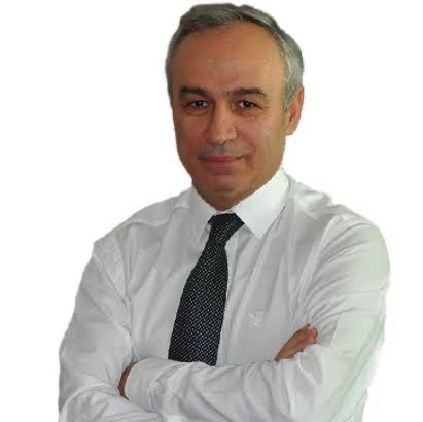
Education Information:
After graduating from primary school in Trabzon, Dr. Ofluoglu. He completed secondary and high school in Istanbul. He graduated from Istanbul University Cerrahpasa Faculty of Medicine in 1987. He successfully completed his ophthalmology residency at the Medical University of Vienna, Austria. He received his specialization equivalency in Turkey from Istanbul University Capa Faculty of Medicine . He worked as an Ophthalmologist at Taksim German Hospital between 1997-2014 as an ophthalmologist.Work experience:
German HospitalGalata Medical AcademyCertificates, Memberships, Scientific Publications:
- Articles Published in International Refereed Journals (Sci&Ssci&Arts And Humanities)
- Traenenwege from Die Endeskopie Der Ablrite. Akuchar, P. Novak,
- Ofluoglu FJ: Steinkogler. Spectrum Der Augenheikunde (1985)
- Volumersatz Der Orbita Myth Bioplastic. FJ Steinkogler, A. Kuchar,
- Novak, A.Ofluoglu Spektrum Der Augenheikunde
- Turkish Ophthalmology Association
- European Society Of Cataract And Refractive Surgeons
- American Society Of Cataract And Refractive Surgery
Specialized Treatments and Surgeries:
- Retractive Laser Eye Surgery: iLASIK (Femto Lasik), LASIK, LASEK, TransEpithelial PRK (NO TOUCH) and SMILE
- Cataract Surgery (Smart Lens Surgery)
- Keratoconus Treatments – Cross-Linking Surgeries
- Pterygium – Eyelid (Bird Wing) Surgery-
- Dry Eye Disease and Treatments
- Strabismus Treatments
- Glaucoma- Glaucoma Eye Pressure Treatments
- Diabetic Retinopathy – Treatments for Diabetes-Related Eye Diseases
- Macular Degeneration Disease Treatments
Foreign language:
- English
- German
MEDICAL UNIVERSITY of VIENNA
35 Years of EXPERIENCE
>35.000 Surgery
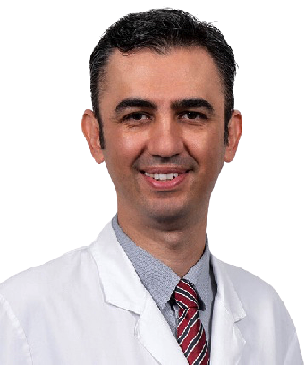
Education Information:
He graduated from Ankara University Faculty of Medicine in 2000 with the 4th rank. He completed his ophthalmology residency at Hacettepe University Faculty of Medicine . Between 2009 and 2011, he completed his master's degree in cornea, ocular surface and refractive surgery at Harvard Medical School in Boston, US. He qualified the title of associate professor in 2012 and Professor title in 2017 . He has performed over 15,000 surgeries in over twenty years.Academic achievements:
He has received numerous national and international awards (ARVO-Asia Travel Fellowship Grant Award, Gazi Eye Foundation 'Best Scientific Paper Award', ARVO Collaborative Research Fellowship Award, ICO Helmerich Fellowship Award, ICO WOC Fellowship Award, Royal College of) Ophthalmologists Best Reviewer Award, Turkish Academy of Sciences Outstanding Young Scientist Award). Koç University established its own research group with the support of KUTTAM, TÜBİTAK, TÜBA and ARVO.Awards, Memberships, Certificates:
- Ankara University Medical School, 4th rank in graduation (2000)
- International Council of Ophthalmology (ICO) “Basic Science Assessment in Ophthalmology including Optics and Refraction” Certificate (2004)
- International Council of Ophthalmology (ICO) “Clinical Science Assessment in Ophthalmology” Certificate (2005)
- Association for Research and Vision in Ophthalmology (ARVO)-Asia 'Travel Fellowship Grant Award' (2007)
- Gazi Eye Association Scientific Award (2008)
- TÜBİTAK ULAKBİM UBYT Awards
- Association for Research and Vision in Ophthalmology (ARVO) 'Collaborative Research Fellowship Award' (2009)
- TOD Glaucoma Symposium Best Oral Presentation Award (2009)
- TÜBİTAK 2219-Postdoctoral Research Fellow Award (2009)
- International Council of Ophthalmology (ICO) 'Helmerich International Fellowship Award' (2010)
- The Turkish Academy of Sciences (TÜBA) 'Outstanding Young Scientist Award' (2012)
- Association for Research and Vision in Ophthalmology (ARVO) 'Developing Country Eye Researcher Fellowship Award' (2015)
- Turkish Ophthalmology Society Scientific Award (2015)
- International Council of Ophthalmology (ICO) WOC2106 Travel Fellowship Grant Award (2016)
- Turkish Medical Association, Most Successful medical doctor of the year (2016)
- Turkish Ophthalmology Association
- Association for Research in Vision and Ophthalmology (ARVO)
- European Association for Vision and Eye Research (EVER)
- American Academy of Ophthalmology (AAO)
- American Society of Cataract and Refractive Surgery (ASCRS)
- European Society of Cataract and Refractive Surgeons (ESCRS)
Specialized Treatments and Surgeries:
- Corneal Transplant
- Complicated Cataract surgery
- Retinitis Pigmentosa Wharton jelly stem cell treatment
- Refractive Laser Eye Surgeries
- Keratoconus Cross-Linking
- ring therapy
- Hard-hybrid innovative contact lenses
- Dry eye (Autologous serum, IPL, LipiFlow treatment)
- Glaucoma (eye pressure)
Foreign language:
- English
- Turkish
Harvard MEDICAL School
22 Years of EXPERIENCE
>15.000 Surgery
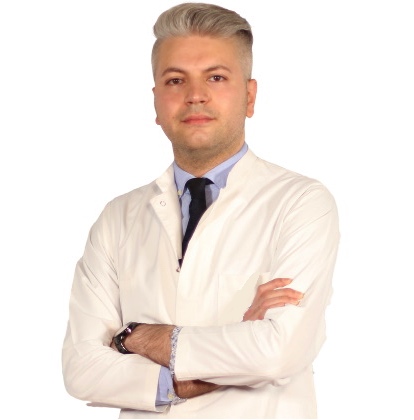
Education Information
He completed primary, secondary and high school in Baku. He graduated from Azerbaijan Medical Faculty in 2010. He completed his ophthalmology residency in Baku National Ophthalmology Center Azerbaijan . He was entitled to receive the Presidential Scholarship of the Republic of Azerbaijan in 2014, and completed the equivalence of specialization in Turkey in the Department of Ophthalmology, Faculty of Medicine, Selcuk University in 2014-2018, and worked as a research assistant and ophthalmologist at the university until 2018. He worked as an Ophthalmologist at Private LIV Hospital Nation between 2019-2022.Work experience:
- Selcuk University Faculty of Medicine
- Private LIV Hospital Ulus
Certificates, Memberships, Scientific Research:
- Peroperative developing choroidal detachment and its management.
- Surgical Approach in Posterior Polar Cataract.
- Iatrogenic retinal artery occlusion caused by cosmetic facial autologous fat filler injections.
- Effect of Smoking on Ocular Surface and Corneal Nerves.
- Lupus choroidopathy in a patient with discoid lupus erythematosus.
- Endophthalmitis and its treatment with early parsplanavitrectomy.
- Turkish Ophthalmology Association.
Specialized Treatments and Surgeries:
- Retractive Laser Eye Surgery: iLASIK (Femto Lasik), LASIK, LASEK, Trans Epithelial PRK (NO TOUCH) and SMILE
- Cataract Surgery (Smart Lens Surgery)
- Keratoconus Treatments – Cross-Linking Surgeries
- Pterygium Surgery
- Dry Eye Disease and Treatments
- Strabismus Surgery
- Glaucoma- Glaucoma Eye Pressure Treatments
- neuro ophthalmology
- Retinal Diseases Treatments
- Oculoplasty
- Uveitis Diseases
- Ectropion and entropion surgery – Eyelid deformity treatments
- Enucleation and Evisceration Prosthetic Eye Surgery
Foreign language:
- English
- German
- Russian
- Azerbaijani
- Turkish
MEDICAL UNIVERSITY of Selcuk
12 Years of EXPERIENCE
>8.000 Surgery
Patients Reviews
Investing in Your Vision: Why Quality and Transparency Matter
You might compromise on quality when purchasing a cheap television. However, your eyesight is an irreplaceable asset simply not worth the gamble. Specifically, choosing budget laser eye surgery often means sacrificing ultra-precise 5th generation robotic technology and physician expertise. Consequently, this sacrifice significantly increases your clinical risks due to substandard medical care and flawed sterile conditions.
Selecting the Right Clinical Infrastructure
When opting for vision correction, your highest priority should be selecting a multi-disciplinary hospital. Therefore, you should look for a clinic equipped with advanced Robotic Excimer Laser systems and experienced surgeons. Ultimately, we remind all our patients that they only have two eyes; indeed, it remains your most sensitive and critical sense organ.
Our Commitment to Cost Transparency
At Smart Laser Eye Center, we never compromise on safety or cutting-edge technology. Instead, we offer our advanced procedures through an understandable, fair, and highly structured pricing model. Furthermore, this framework includes absolutely no hidden costs. Consequently, this approach makes premium laser eye surgery truly transparent and accessible.
The Freedom of Life Without Glasses or Contact Lenses
Consider the lifetime accumulated expenses of purchasing contact lenses, prescription glasses, and care solutions. In addition, think about the constant frustration of losing or breaking your eyewear. Beyond this heavy financial burden, nevertheless, you must also consider the restrictive impact corrective eyewear has on your daily lifestyle and comfort.
Unlocking an Active Lifestyle
Imagine the absolute freedom of diving to the bottom of the sea or skiing down a mountain. Similarly, you can enjoy jogging, cycling, and exercising freely without the hassle of foggy lenses or dry eyes. Fortunately, advanced laser vision correction safely unlocks this active, barrier-free lifestyle for you.
A Smart Long-Term Investment
By eliminating the ongoing expenses of glasses, modern laser surgery easily pays for itself. In fact, it acts as a smart, long-term investment in your future. Driven by our proprietary RLES AI® software, moreover, our medical team remains 100% committed to delivering personalized treatments for true visual freedom.